November 10, 2026
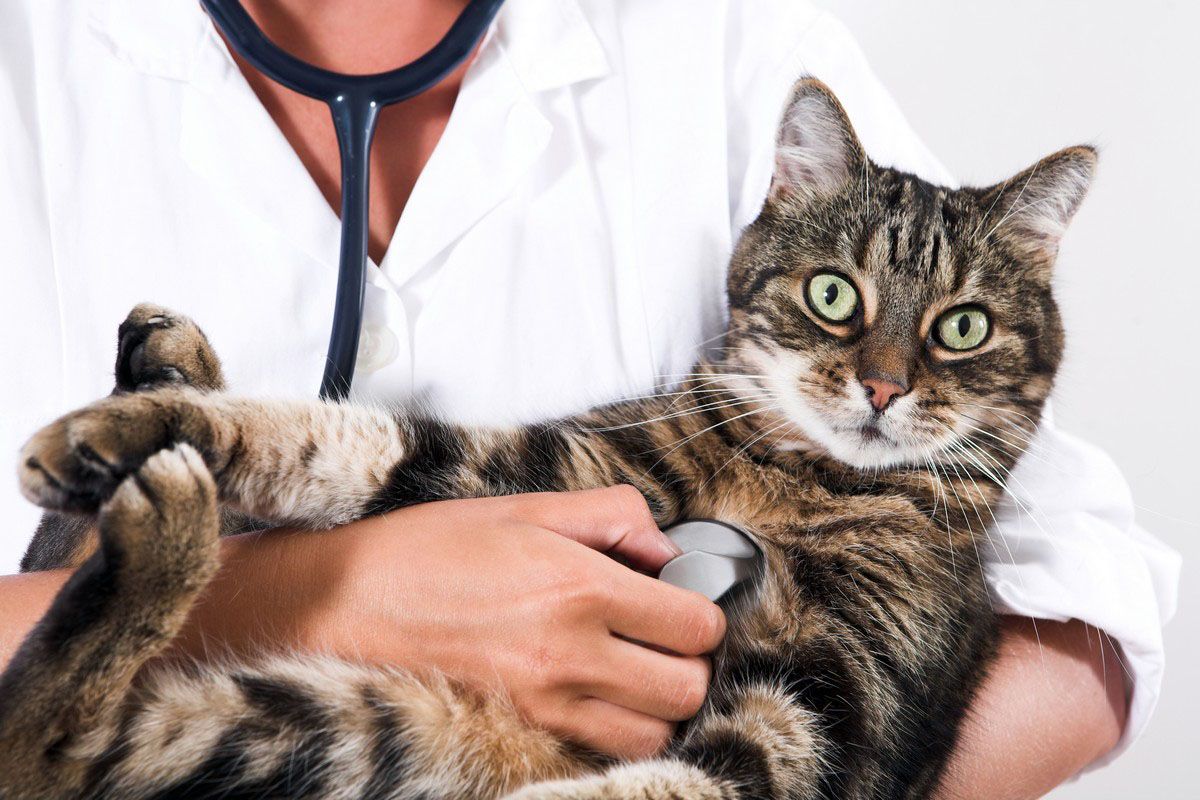
Feline companions bring immense joy and comfort to countless families across the country. According to the AVMA, 32.6% of U.S. homes own cats — about 43.1 million households, typically with one or two per family. With such widespread feline companionship, maintaining proper health care routines becomes essential for ensuring these pets live long, fulfilling lives. Dedicated professionals at local veterinary clinics stand ready to support pet owners through comprehensive wellness exams and early disease detection.
Cats are notorious for hiding signs of illness until their conditions become severe or advanced. This evolutionary trait helped their wild ancestors survive, but it complicates modern domestic veterinary care significantly. Routine checkups allow knowledgeable practitioners to identify subtle changes in weight, coat quality, or behavior. Proactive interventions can make massive differences in treatment outcomes.
1. Dental and Periodontal Conditions
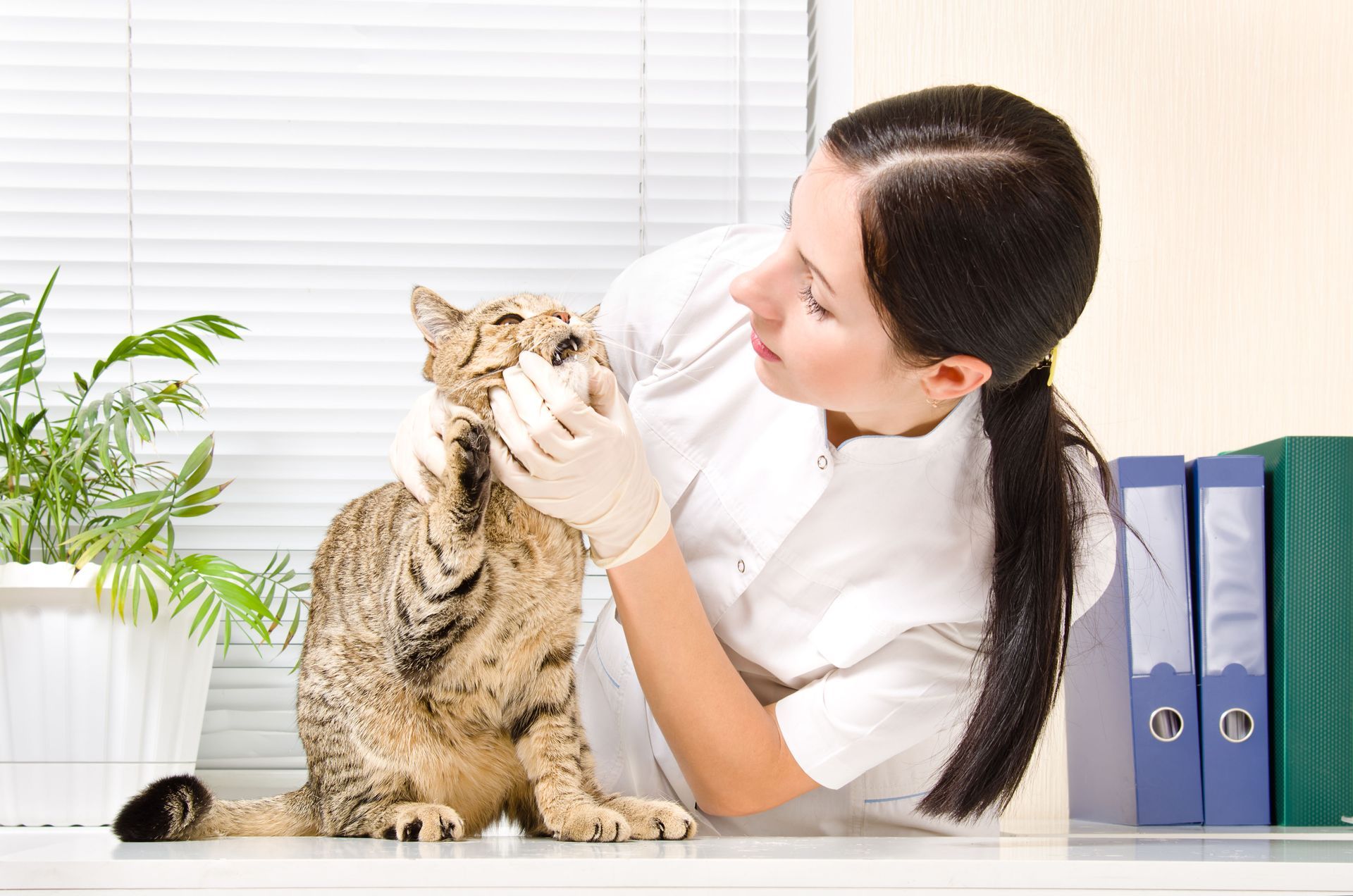
Oral health issues represent the most frequent diagnosis made during routine examinations for adult felines. Plaque accumulation leads to tartar buildup, which subsequently causes inflammation of the gums and eventual tooth decay. If left untreated, severe dental disease causes significant pain and diminishes feline quality of life. Visiting local veterinary clinics for professional dental cleanings helps prevent dangerous bacteria from entering the bloodstream and affecting major organs.
Pet owners might notice bad breath, dropped food, or sudden reluctance to eat dry kibble. Advanced stages of periodontal disease often require surgical extractions under general anesthesia to relieve suffering and restore oral health. Preventative at-home care combined with annual professional assessments remains the gold standard for maintaining optimal feline oral hygiene.
2. Feline Obesity and Weight Management
Excess weight plagues the modern indoor cat population due to sedentary lifestyles and free-feeding practices. Extra body mass places immense strain on joints, heart function, and metabolic processes within the feline body. Diagnosing obesity requires careful physical evaluation and body condition scoring by trained professionals. Veterinarians at local veterinary clinics routinely guide pet parents in developing structured feeding plans to encourage safe and gradual weight loss.
Engaging cats in interactive play sessions encourages natural hunting behaviors while burning excess calories. Measuring portions carefully rather than leaving bowls full ensures pets consume appropriate amounts of necessary nutrients without overindulging. Maintaining optimal physical condition drastically reduces risks of secondary complications like joint pain or metabolic dysfunction.
3. Chronic Kidney Disease
Renal deterioration occurs frequently in aging feline populations, gradually diminishing the ability to filter toxins from the blood. Early stages of renal insufficiency often present without obvious outward symptoms, making regular blood screenings vital for senior pets. As the disease progresses, owners usually observe increased thirst and corresponding increases in litter box usage. The dedicated staff at local veterinary clinics utilize advanced diagnostic panels to catch subtle changes in kidney function long before pets show clinical signs.
While chronic kidney degeneration cannot be cured, careful medical management slows the progression and maintains good quality of life. Therapeutic diets formulated with restricted phosphorus and high-quality proteins help reduce the workload placed on compromised kidneys. Subcutaneous fluid therapy might become necessary to maintain proper hydration when the organs lose their concentrating ability. Continuous monitoring by trusted veterinary teams ensures treatment plans adapt as the patient's specific needs evolve.
4. Hyperthyroidism and Hormonal Imbalances
An overactive thyroid gland drastically increases metabolic rates, leading to concerning weight loss despite ravenous appetites. Affected felines often display restless behavior, vocalize frequently at night, and develop rough or unkempt hair coats. Untreated hyperthyroidism puts dangerous stress on the heart and can mask underlying kidney dysfunction. When evaluating these symptoms, doctors at local veterinary clinics perform specialized blood tests to measure circulating thyroid hormone levels.
Treatment options vary based on the patient's overall health and the owner's capability to administer long-term care. Daily medications, specialized iodine-restricted diets, or permanent radioactive iodine therapy all offer distinct advantages for managing this endocrine disorder. Selecting the right therapeutic path requires collaborative conversations between the pet owner and their trusted veterinarian.
5. Feline Lower Urinary Tract Disease
Bladder inflammation and urethral obstructions create potentially life-threatening emergencies for many indoor felines. Male cats face particularly high risks of developing complete urinary blockages due to their narrow anatomical structure. Straining in the litter box, vocalizing in pain, or urinating outside designated areas should always trigger immediate concern. Emergency intervention at local veterinary clinics is critical to relieve obstructions and prevent fatal kidney damage.
Environmental stress plays massive roles in idiopathic cystitis, causing non-infectious bladder inflammation. Increasing water consumption through fountains or wet food diets helps dilute urine and minimize crystal formation. Enriching the indoor environment with climbing structures and dedicated resting spots significantly reduces stress-induced urinary flare-ups.
6. Feline Diabetes Mellitus
Endocrine dysfunction occurs when the feline pancreas fails to produce sufficient insulin or the body becomes resistant to its effects. Similar to kidney failure, diabetic cats drink excessive amounts of water and urinate constantly to flush out excess glucose. Despite eating enthusiastically, these pets lose muscle mass and appear lethargic as their cells starve for energy. Partnering with local veterinary clinics allows owners to learn proper insulin handling, injection techniques, and glucose monitoring strategies.
Dietary modification serves as the cornerstone of diabetic management, usually involving low-carbohydrate and high-protein therapeutic foods. Achieving remission is entirely possible for some feline patients when aggressive treatment and dietary changes begin promptly. Consistent daily routines and open communication with knowledgeable veterinarians ensure diabetic felines enjoy happy and active lives.
7. Osteoarthritis and Joint Degeneration
Joint pain remains vastly underdiagnosed in cats because they naturally restrict their own activity levels when experiencing discomfort. Instead of limping conspicuously, arthritic felines simply stop jumping onto favorite windowsills or hesitate before using stairs. Matted fur along the lower back often signals inability to groom properly due to spinal or hip pain. Many local veterinary clinics now offer innovative pain management solutions, including injectable monoclonal antibodies that specifically target nerve pain.
Modifying the home environment greatly improves the daily comfort of senior cats suffering from mobility issues. Providing shallow litter boxes and placing soft steps near favorite resting spots prevents unnecessary strain on aching joints. Nutritional supplements containing joint-supporting compounds can provide additional relief when combined with prescribed medications. Proactive pain management ensures older felines remain engaged and comfortable throughout their golden years.
8. Parasitic Infections and Preventative Care
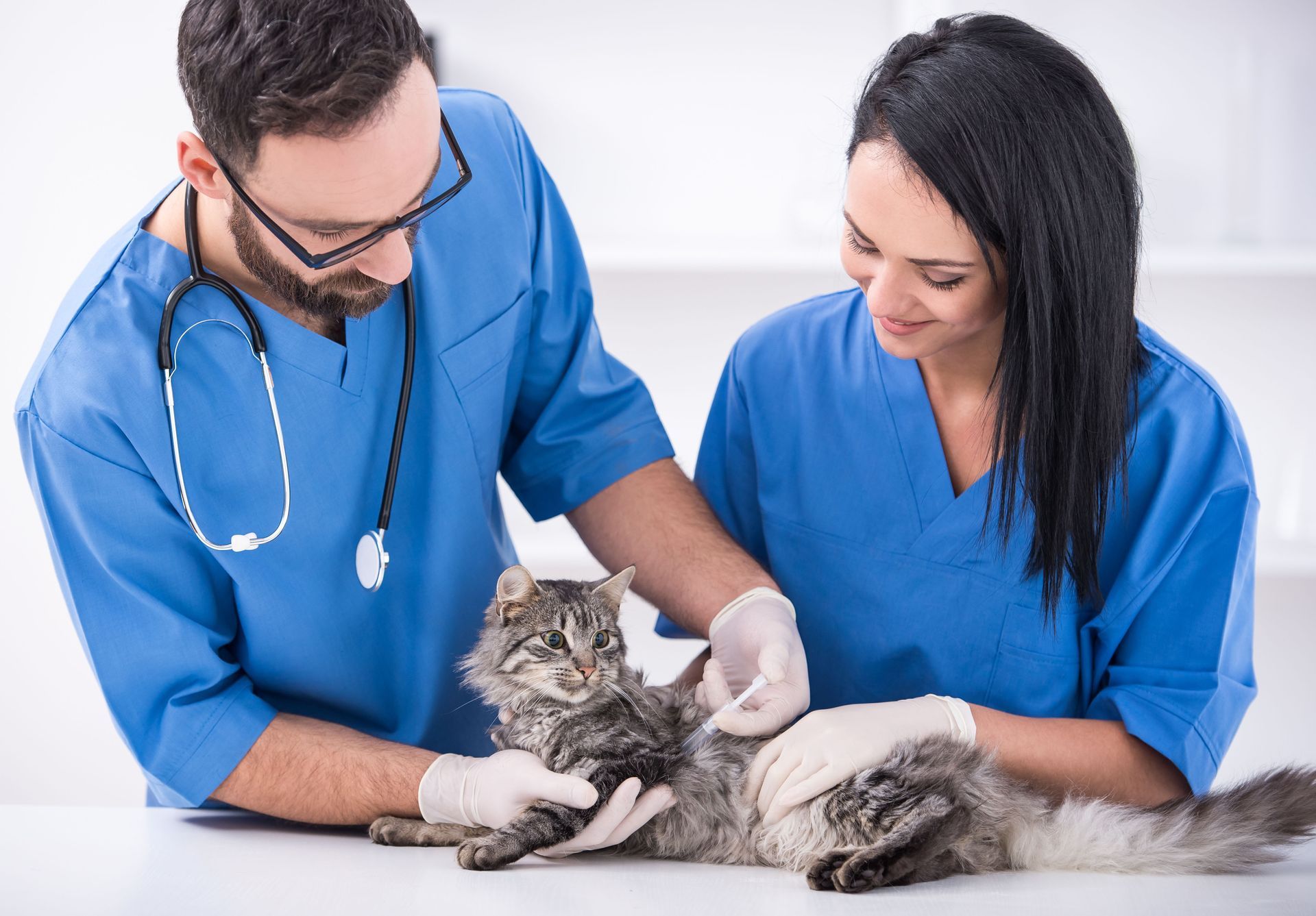
Fleas, ticks, and intestinal worms pose constant threats to feline health regardless of whether the pet ventures outdoors. Flea infestations trigger severe allergic dermatitis and can transmit harmful internal parasites during grooming sessions. Routine preventative medications eliminate these unseen dangers and protect the pet alongside human family members from zoonotic diseases.
Heartworm disease, transmitted by mosquitoes, affects cats differently than dogs and lacks safe, approved treatment protocols. Even strictly indoor cats require year-round protection since pests easily enter homes through open windows or on human clothing. Veterinary teams provide customized parasite prevention plans tailored to each patient's specific lifestyle risk factors. Staying current on preventative care saves pet owners from treating costly and entirely avoidable parasitic infections.
9. Gastrointestinal Distress and Food Sensitivities
Chronic vomiting and irregular bowel movements indicate underlying inflammation within the feline digestive tract. Inflammatory bowel disease or food allergies frequently cause ongoing discomfort that requires careful dietary trials to diagnose accurately. Finding hypoallergenic protein sources or hydrolyzed diets often resolves symptoms without the need for long-term immunosuppressive drugs. Comprehensive diagnostics rule out severe conditions like intestinal lymphoma, ensuring the chosen treatment directly addresses the root cause.
Occasional hairballs might seem normal, but frequent regurgitation always warrants thorough medical investigations. Proper brushing routines reduce the amount of loose fur ingested during daily grooming habits. Maintaining optimal gut health improves nutrient absorption and strengthens the feline immune system.
Scheduling routine examinations stands as the most effective strategy for preserving the health and happiness of beloved feline friends. Comprehensive wellness checks allow veterinarians to establish baseline health metrics and catch subtle warning signs before diseases advance. Pet parents should monitor daily habits closely, noting any changes in appetite, litter box usage, or energy levels. Bringing these observations to the attention of professionals guarantees that cats receive the timely care they deserve.
Through dedicated vigilance and professional support, cat owners can look forward to sharing many joyful years with their furry companions. Contact Glenstone Veterinary Clinic today to learn more.