September 9, 2026
Regular visits to local veterinary clinics play a crucial role in detecting and preventing health problems in pets early. Routine check-ups are essential because they identify subtle issues before they become severe, contributing directly to overall longevity, wellness, and long-term vitality. By understanding the significance of these comprehensive wellness exams, pet owners can ensure that their animal companions enjoy longer, healthier, and far more active lives. Beyond simple clinical observation, these continuous visits enable pet owners to make informed, highly educated decisions regarding proactive medical treatment, preventative nutrition, and comprehensive lifelong care plans tailored to their pet's specific biological needs.
Establishing routine care with local veterinary clinics provides an indispensable foundation for your pet's life and long-term happiness. Early detection of potential ailments drastically reduces the risk of complex medical complications, minimizes unnecessary physical discomfort, and keeps lifetime emergency healthcare costs far more manageable for families. According to IBISWorld, there were 519,767 people employed in the veterinary services in the U.S. as of 2025, reflecting a massive and highly dedicated national network of professionals equipped to safeguard animal health. Committing to regular clinical evaluations remains one of the most effective, responsible investments you can make for your pet's ongoing vitality and overall happiness.
Furthermore, consistent wellness visits create an extensive medical history that allows veterinary teams to notice even the smallest physical or metabolic deviations over time. Pets are naturally inclined to hide pain, weakness, and discomfort, a survival instinct inherited from their wild ancestors, which means that noticeable symptoms often only appear after a disease has already reached an advanced stage. Scheduled wellness appointments bridge this gap, ensuring that professional diagnostic eyes assess your pet regularly regardless of whether outward symptoms are visible. Through comprehensive physical examinations, specialized diagnostic testing, and customized lifestyle guidance, veterinary professionals work as dedicated partners alongside owners to maintain optimal health outcomes.
Promoting Preventive Wellness and Routine Examinations
Routine physical examinations serve as the primary frontline defense against hidden or undetected illnesses. Many common chronic conditions in domestic animals remain completely asymptomatic during their initial stages, making professional clinical evaluation essential for early intervention. During a standard wellness check-up, veterinary professionals perform thorough, systematic physical assessments that evaluate vital signs, body condition scores, coat health, and core organ systems to detect subtle, microscopic changes. Establishing a clear, documented health baseline through these visits allows practitioners to identify minor physiological deviations early, ensuring timely medical interventions that significantly improve long-term therapeutic prognoses.
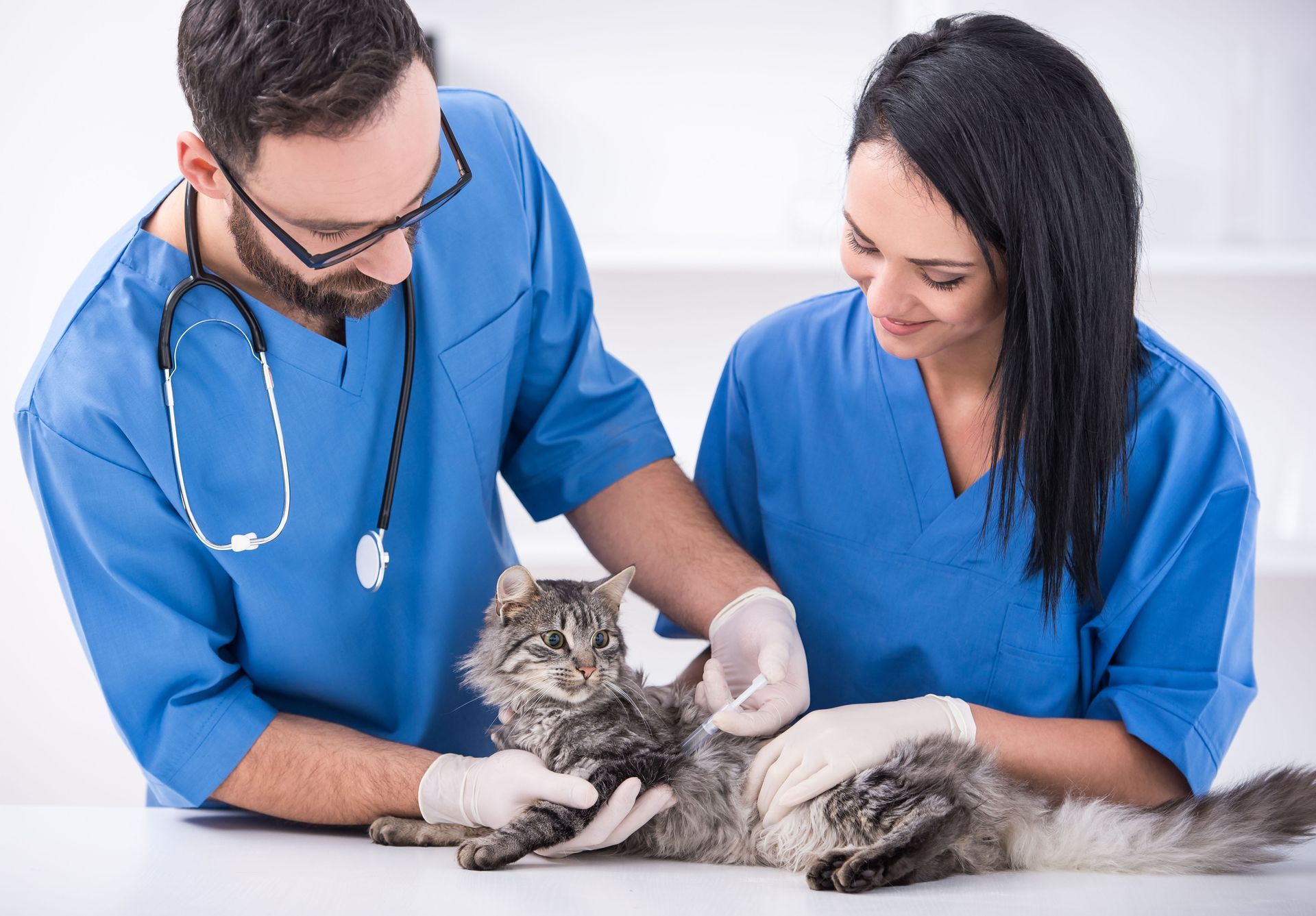
In addition to detailed physical evaluations, routine visits ensure that essential preventative medicine protocols remain entirely up to date. Veterinarians carefully review immunization histories, administer necessary core and non-core booster vaccines, and recommend appropriate parasite control regimens to guard against heartworms, intestinal worms, fleas, and ticks. For young, growing animals, these frequent check-ups closely monitor developmental milestones, allowing for early nutritional, behavioral, or orthopedic adjustments before minor issues turn into permanent structural conditions. Consistently visiting local veterinary clinics also helps pets become thoroughly accustomed to the clinical environment, drastically reducing anxiety and building strong, trusting communication between pet owners and their veterinary team.
Preventative wellness exams also offer an ideal, dedicated opportunity to address subtle lifestyle factors that directly impact a pet's daily quality of life. During these visits, veterinarians evaluate exercise routines, home environmental hazards, sleep patterns, and age-related behavioral shifts that might otherwise go unnoticed. This continuous dialog enables owners to refine daily routines as their pets move through different life stages, from energetic puppyhood or kittenhood into mature adulthood and golden senior years, ensuring optimal comfort at every phase.
Identifying Internal and Systemic Conditions Early
Internal health issues frequently develop gradually over months or years without presenting obvious external symptoms. Advanced clinical screening performed during routine check-ups allows veterinarians to evaluate internal organ function and identify dangerous systemic imbalances early. Routine screening tools, such as complete blood counts, comprehensive serum chemistry panels, urinalysis, and fecal examinations, can reveal hidden markers of renal insufficiency, hepatic dysfunction, urinary tract infections, or endocrine disorders like diabetes mellitus and thyroid disease. Catching these metabolic shifts at their onset enables targeted management through therapeutic diets, lifestyle modifications, or daily medications long before irreversible organ tissue damage occurs.
Cardiovascular and respiratory monitoring during routine clinical exams is equally vital for maintaining systemic stability. By carefully listening to heart rhythms and lung sounds with a stethoscope, veterinarians can spot early signs of heart murmurs, cardiac enlargement, circulatory issues, or chronic airway disease. Furthermore, addressing gastrointestinal irregularities, chronic gut inflammation, or subtle internal blockages early prevents life-threatening complications such as severe dehydration, nutrient malabsorption, and rapid weight loss. Systemic health monitoring ensures that internal metabolic pathways and vital organ systems continue to function seamlessly throughout every stage of a pet's life.
Evaluating External Symptoms and Physical Health
External physical evaluations provide immediate, tangible insight into a pet's day-to-day physical comfort, structural integrity, and cutaneous health. Thorough dermatological assessments during regular check-ups help identify environmental allergies, localized parasitic infestations, fungal conditions, and bacterial skin infections before they cause severe itching, self-inflicted trauma, or chronic secondary complications. Similarly, comprehensive mobility evaluations allow veterinarians to detect early joint stiffness, emerging osteoarthritis, or ligament laxity, enabling proactive management through specialized joint supplements, therapeutic weight management, physical rehabilitation, and tailored exercise plans designed to preserve active living.
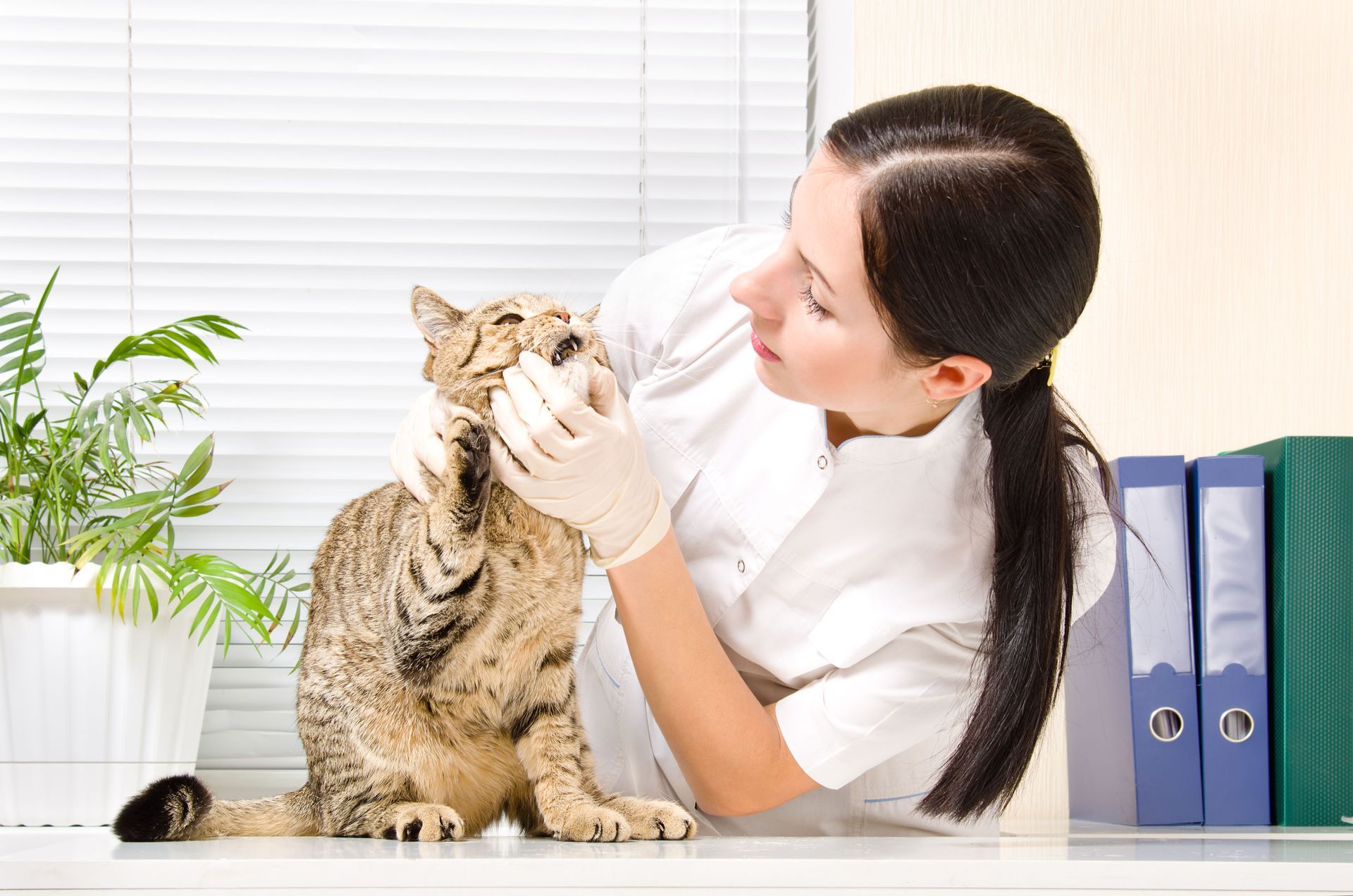
Oral health and behavioral observations are equally critical components of a thorough physical examination. Periodontal disease stands as one of the most prevalent yet overlooked medical conditions in domestic pets, frequently leading to painful tooth decay, severe gum inflammation, and systemic bacterial infections that can travel through the bloodstream to damage the heart, liver, and kidneys. Regular dental evaluations detect harmful plaque buildup and early gingivitis, preserving oral structures and overall wellness. Furthermore, discussing subtle behavioral changes with a veterinarian can reveal underlying chronic pain, sensory decline, or cognitive dysfunction, ensuring both physical and mental well-being are appropriately supported throughout the pet's lifespan.
Utilizing Advanced Clinical Diagnostics and Technologies
Modern veterinary medicine relies heavily on sophisticated diagnostic technologies to enhance the speed, accuracy, and precision of early disease detection. High-resolution digital radiography, advanced ultrasound imaging, non-invasive blood pressure monitoring, and specialized laboratory testing allow practitioners to view internal organ structures, blood flow, and cellular activity with remarkable clarity. These state-of-the-art diagnostic tools eliminate guesswork, enabling veterinarians to formulate accurate, individualized treatment plans quickly and monitor the ongoing progression of managed conditions with high precision.
Innovations in modern veterinary technology continue to expand options for proactive, highly customized clinical care. Genetic screening panels can identify breed-specific predispositions to hereditary conditions, allowing owners and clinicians to implement targeted preventative measures very early in a pet's life. Additionally, sophisticated diagnostic equipment available at local veterinary clinics streamlines ongoing evaluations, ensuring pets receive modern, comprehensive, and deeply compassionate medical care tailored directly to their unique biological and genetic needs.
By taking advantage of modern clinical capabilities, veterinarians can now detect subtle biomarkers and structural changes long before physical illness degrades a pet's everyday vitality. Early diagnostic intervention often means the difference between managing a mild condition with simple lifestyle adjustments or treating an advanced, costly emergency later on. Utilizing cutting-edge technology as part of routine care empowers veterinary teams to deliver accurate, effective healthcare outcomes continuously.
Prioritizing consistent medical evaluations allows pet owners to address potential health concerns long before they escalate into acute medical emergencies. Partnering with experienced healthcare professionals ensures your pet receives personalized nutrition, preventative therapies, advanced diagnostic oversight, and compassionate care throughout their entire lifetime. For more information about the services that we offer, reach out to our incredible team at Glenstone Veterinary Clinic today!